


01
KNOWING YOUR BREED
Every breed has unique traits, strengths, and needs. Understanding your dog’s breed helps you make the right choices for their lifestyle, environment, and long-term well-being.
 THE RIGHT KNOWLEDGE. A BETTER RELATIONSHIP.
KNOW YOUR BREED
02
MEET THEIR NEEDS
The whole-dog approach: attention, health, environment, exercise, nutrition, and the relationship you build every day.[2][3]
ATTENTION
Spend focused time together. Learn what your dog enjoys, notice changes, and reward the moments of calm and connection.
CONSISTENCY
Use clear cues and predictable routines. Make sure everyone in the household follows the same expectations.
EXERCISE
Combine walks, sniffing, play, and rest. Match activity to your dog’s age, health, and energy rather than exhausting them.
TRAINING
Practice useful skills in short, rewarding sessions. Build focus, recall, leash manners, and the ability to settle.
NUTRITION
Feed an appropriate, complete and balanced diet, measure portions, and keep fresh water available.
03UNDERSTANDING
UNDERSTANDING
DOG BEHAVIOR
Dogs communicate through body language, vocalizations, and actions. Learning to recognize what they’re telling you helps you respond appropriately and build a stronger relationship.

CALM LEADERSHIP. CLEAR GUIDANCE.
Be a dependable guide. Set consistent boundaries, reward the behavior you want, and help your dog succeed. The goal is a relaxed, confident dog and a trusting relationship—not forced submission.
04GOOD FOOD.
GOOD FOOD.
STRONG FOUNDATION.
Nutrition supports energy, body condition, and digestive health. It does not replace training or determine your dog’s personality.[5][6]

BLUEBERRIES
WASHED · SMALL AMOUNTSA colorful, bite-size fruit treat. Mash or cut as needed for your dog’s size.
PLAIN PUMPKIN
COOKED · NO PIE FILLINGProvides fiber. Use plain pumpkin without sugar, spices, or other additions.
CARROTS
CHOPPED · EASY TO CHEWA crunchy vegetable option. Cut small or cook until soft to reduce choking risk.
GREEN BEANS
PLAIN · CUT INTO PIECESA vegetable treat without added salt, sauces, butter, or seasoning.
COOKED SALMON
FULLY COOKED · BONELESSOffers protein and omega-3 fats. Serve plain, remove every bone, and never feed raw salmon.
APPLE SLICES
NO SEEDS · NO COREWash, remove the core and seeds, and cut into manageable pieces.
TEU FOOD CHECK KNOW BEFORE YOU FEED.
CAN MY DOGEAT THIS?
Search meats, fish, fruit, greens, nuts, sweets and more. See the reason, preparation and source footnote for each result.
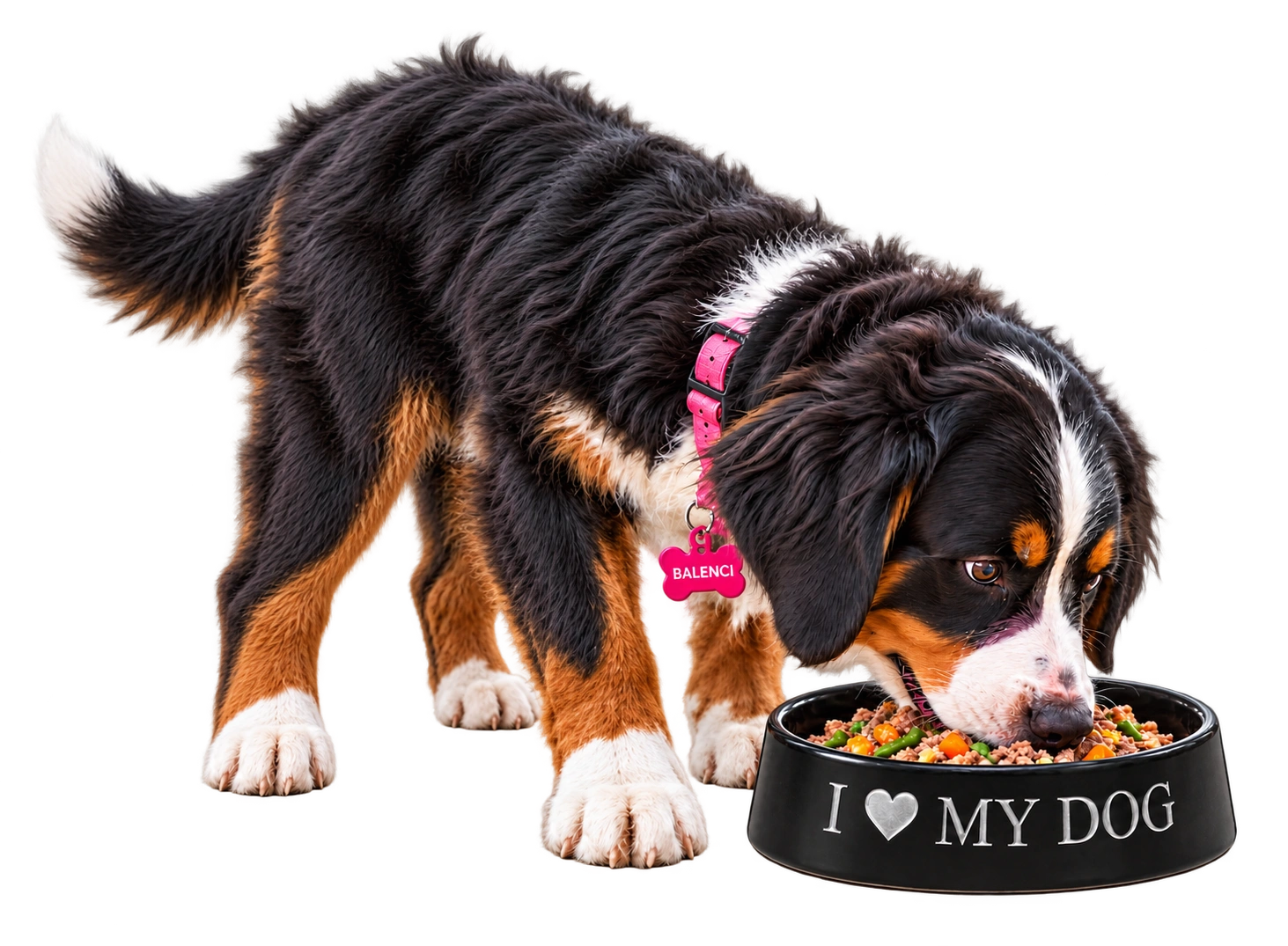
PREPARATION & PORTIONS MATTER. Green means suitable only as described. Red means toxic or not recommended—read the reason. Amber means ask your veterinarian. No color approves unlimited feeding or a food for every dog. Check ingredients and allergies. Dogs on a prescribed diet need their veterinarian’s guidance. Treats and extras should stay within 10% of daily calories. This guide checks common ingredients, not complete diets, brands, or every recipe.
Sources: FDA, ASPCA, American Kennel Club and Purina nutrition team. Source named beneath each result. Reviewed October 7, 2026. Nutrition information does not imply a brand endorsement.
90 / 10
Keep treats and extras to no more than 10% of daily calories. The main diet supplies the nutritional foundation. Dogs on a prescribed diet may need different rules.
KEEP THESE OUT OF REACHNEVER ON
NEVER ON
THE MENU.
XYLITOLSugar-free gum, candy, some nut butters; also called birch sugar.
GRAPES & RAISINSKeep both fresh and dried grapes away.
CHOCOLATE & CAFFEINEIncluding cocoa, coffee, tea, and energy drinks.
ONIONS & GARLICIncluding cooked forms and powders.
MACADAMIA NUTSKeep nuts and baked goods containing them away.
ALCOHOL & RAW YEAST DOUGHDo not share drinks or unbaked dough.
06
FINDING A GREAT VET
Build a trusted care team for you and your dog. Research experience, communication, patient handling, and emergency care. Help puppies build positive, comfortable vet visits.
MORE TIPS & QUESTIONS
Research the practice, ask about experience and services, and read recent reviews for patterns in communication and care. Visit the facility and choose a team you feel comfortable asking questions. Plan ahead for after-hours emergencies.
Help puppies build positive associations with the clinic. Ask about gentle handling, short introductory visits, and rewards your puppy can have. The aim is a comfortable experience, at your dog’s pace.
WHAT TO LOOK FOR
- Clear explanations and a team that listens
- Patient handling and a plan for nervous dogs
- Suitable services, appointment availability, and emergency arrangements
- Transparent estimates and ongoing health records

FIND VETS NEAR YOU
Enter a Long Island ZIP code or town to see all researched highly rated matches within about 50 miles.
Reviews are a starting point. Compare experience, communication, and your dog’s individual needs.
07
FINDING THE RIGHT GROOMER
Comfort, coat care, and clear communication. Ask about breed experience, products, bathing and drying methods, and how nervous dogs are handled.
MORE TIPS & QUESTIONS
Ask about training, experience with your dog’s coat type, handling, bathing products, drying methods, and safety procedures. Look at cleanliness, read recent reviews, and explain your dog’s health concerns or sensitivities before an appointment.
Discuss the haircut you want with photos and clear expectations. Agree on what is realistic for your dog’s coat condition and maintenance routine. Ask how the groomer handles stress and when they pause or contact you.
Practice gentle brushing and handling in short, rewarding steps at home. Build familiarity gradually rather than expecting every dog to enjoy grooming immediately.
QUESTIONS WORTH ASKING
- Have you worked with this breed and coat type?
- Which products and drying methods will you use?
- How do you help nervous dogs and supervise them?
- What happens if you notice a health concern or an emergency?

FIND GROOMERS NEAR YOU
Enter a Long Island ZIP code or town to see all researched highly rated matches within about 50 miles.
Customer ratings do not verify safety or credentials. Ask questions and evaluate the facility before booking.
THE IMPORTANCE OF SOCIALIZATION
Start early. Keep it positive. Let your dog set a comfortable pace.[10][11]
PEOPLE & EVERYDAY LIFE
Introduce different ages, voices, clothing, household sounds, surfaces, and environments in gentle steps. Pair new experiences with rewards and room to move away.
DOGS & CALM OBSERVATION
Choose healthy, suitable dogs and controlled settings. Watching calmly from a comfortable distance counts; your dog does not need to greet everyone.
PROTECT YOUR PUPPY
Ask your veterinarian how to balance early socialization with vaccination and local disease risks. Use safe exposure at home, carried outings, and appropriate puppy classes; avoid high-risk areas and unknown dogs.
CONFIDENCE IS BUILT. NEVER FORCED.
Short, successful experiences beat overwhelming encounters. If your dog freezes, hides, or tries to leave, give them distance and make the next step easier. Social learning continues beyond puppyhood.