


NEW PUPPY?
GREAT BEGINNINGS.
The right match. Healthy growth. Good habits.
Let’s build a beautiful life together.
 01
SMALL PAWS. BIG PLANS.
RIGHT PUPPY. RIGHT LIFE.
A puppy should fit the life you can offer—not just the look you love.
Start with your schedule, home, family, activity level, budget, and experience. Think about the adult dog: size, strength, shedding, grooming, vocal tendencies, and daily physical and mental needs. A tiny puppy can become a very big commitment.
- How much time can you give to bathroom breaks, training, companionship, and grooming?
- Are your children, pets, housing rules, and work routine a good match?
- Can you afford routine care, professional help, and unexpected veterinary costs?
Meet the puppy and learn about their individual temperament. Breed tendencies are useful clues, never a promise. Responsible rescues and shelters can also help you find a suitable companion.
 02
WHAT MAKES ME, ME?
KNOW YOUR BREED
Understand the instincts behind that adorable face.
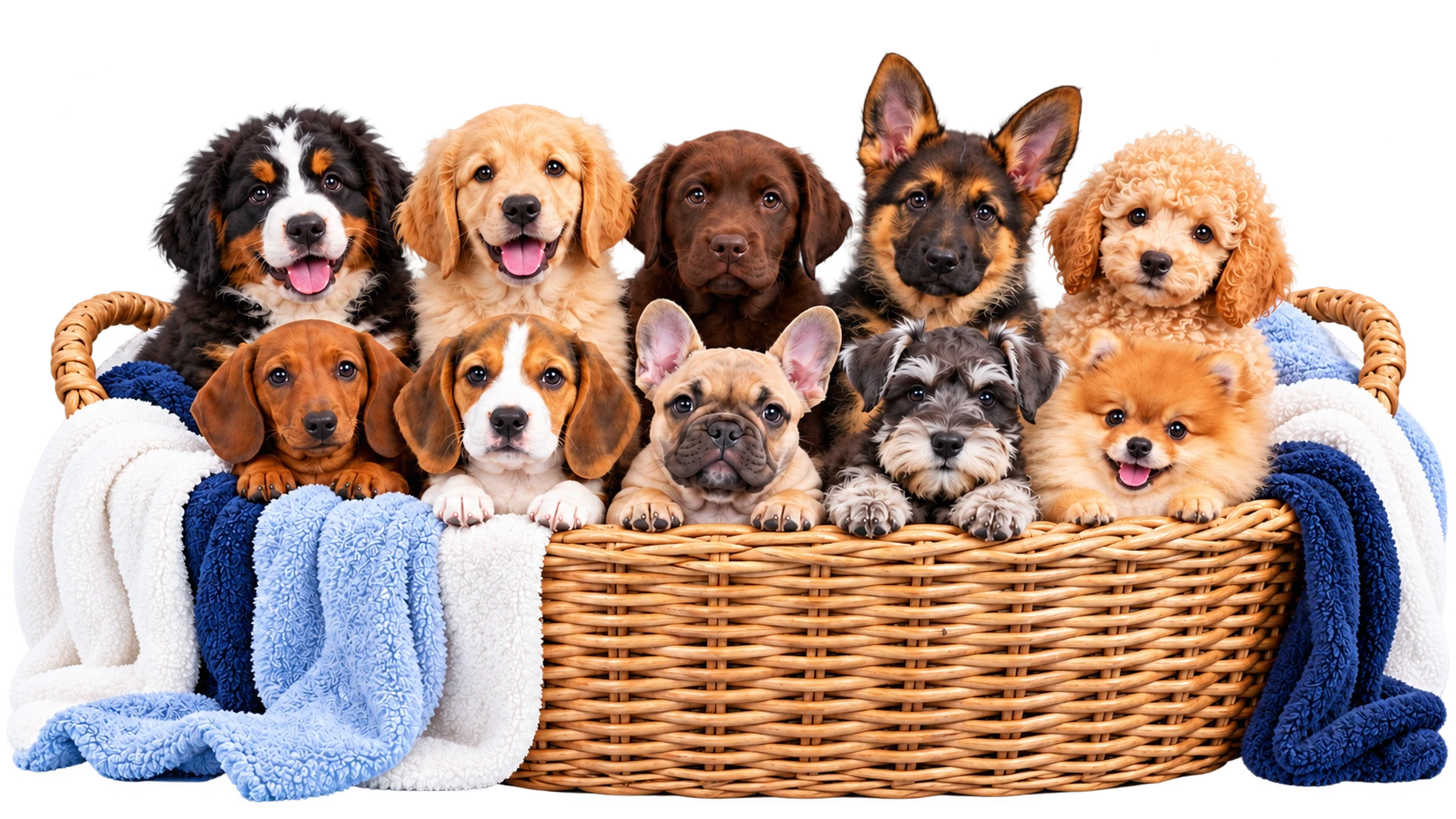
LABRADORS & GOLDENSOften enjoy retrieving and people-focused activity. Plan for training, appropriate exercise, shedding, and an enthusiastic adult dog.
ROTTWEILERS & SHEPHERDSStrong working breeds that need thoughtful socialization, clear routines, mental work, and confident, consistent guidance.
BERNESE MOUNTAIN DOGSLarge working dogs with substantial coat care and health considerations. Plan for their adult size, heat comfort, and veterinary costs.
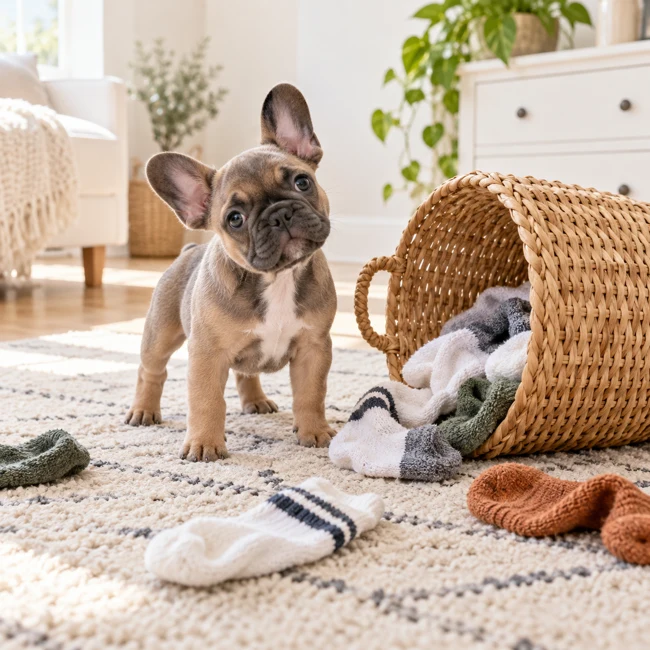
FRENCH BULLDOGSCompanion dogs whose short faces can bring breathing and heat risks. Ask about functional breathing, structure, and breed-specific screening.
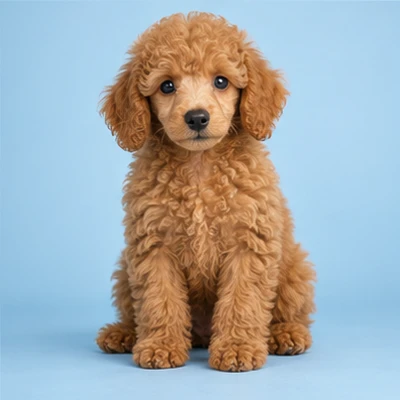
POODLES & DOODLESCoat maintenance can be considerable. Bernedoodles and Goldendoodles vary in adult size, coat, and temperament; low shedding and allergy compatibility are not guaranteed.
BEAGLES, DACHSHUNDS & SMALL BREEDSSmall does not mean low effort. Scent, chase, barking, handling, and physical safety still need patient education.
 03
A GREAT START BEGINS HERE
CHOOSE THE BREEDER WITH CARE
Look beyond a cute photo and a promise of “healthy puppies.”
A responsible breeder welcomes detailed questions, explains why they breed, matches puppies thoughtfully, and provides records you can verify. Ask to see where puppies are raised in person or by live video, meet the mother when possible, and discuss the father’s temperament and health history.
- Request the parents’ registered names, health-test reports, veterinary records, and relevant family history.
- Ask about socialization, early handling, litter routines, and the age and readiness for going home.
- Read the contract, health terms, return policy, and lifetime-support expectations before paying.
- Avoid pressure deposits, unverifiable identities, and breeders who refuse reasonable questions.
FIND YOUR BREEDER.
Search your breed. Reviewed breeders within 200 miles appear first, followed by a few nationwide options.
Distances are approximate straight-line miles, not driving mileage.
HOW THESE RESULTS ARE SELECTED
Nearby breeders come first. We aim for eight within 200 miles and two farther away in a ten-result list when enough matches exist. Profiles with at least three owner reviews are prioritized locally. Within each 50-mile band, more owner reviews appear first. Farther options are ordered by owner-review count.
Every included profile has owner reviews, a Good Dog health-screening indicator, and published health-testing information. Review counts are not star ratings or proof of breeder quality. These are research shortlists, not a definitive nationwide ranking or TEU endorsement. Check current reviews, parent health reports, references and contracts before paying. Sources checked October 13, 2026.
QUESTIONS TO ASK BEFORE YOU PAY A DEPOSIT
- Can I see the actual breed-specific health results for both parents and verify them?
- Which risks are not covered by the DNA panel?
- How are puppies raised, handled, socialized, and matched with families?
- Can I meet the mother or see a live video of the puppies’ environment?
- What does the contract cover, and will you take the dog back if needed?
- Can you provide recent references and veterinary records?
 04
LITTLE PAWS. FAMILY HISTORY.
DNA IS PART OF THE PICTURE
Your puppy can inherit health risks. Understand what was tested—and what was not.
Genetic health testing can identify certain inherited variants in the parents and help guide breeding decisions. It does not screen for every disease or guarantee a healthy puppy. A DNA identity or ancestry test is not the same as a genetic health panel.
Ask for breed-appropriate screening beyond DNA: hips, elbows, eyes, heart, or other examinations as recommended for that breed. Doodle crosses need consideration of both parent breeds. Verify the actual results and discuss them with your veterinarian.
OFA and breed-club resources can help you check records. A CHIC number means required screening was completed and published; it does not automatically mean every result was normal. Family history and a puppy veterinary exam still matter.
 05
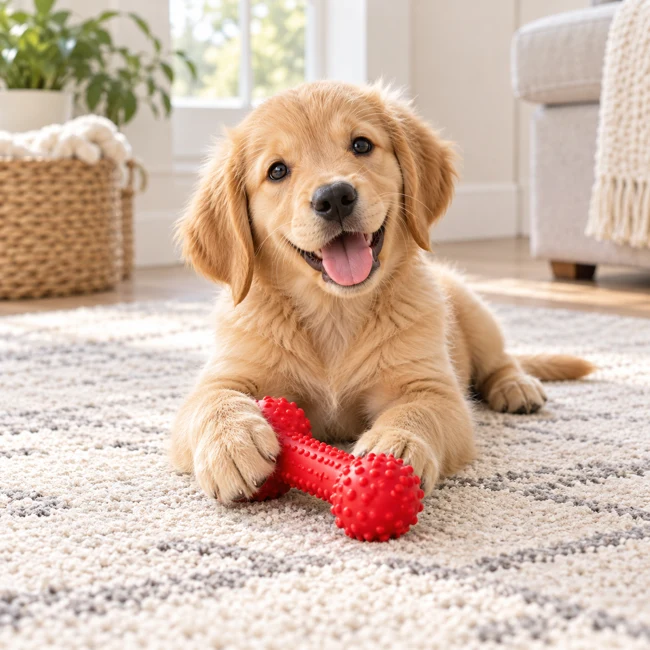
CHEWING MOM’S SHOE!
TRAINING STARTS ON DAY ONE
Build good habits before unwanted ones become the routine.
Begin gentle learning when your puppy comes home: their name, attention, handling, settling, bathroom routines, and simple cues. Use brief, enjoyable sessions and reward small successes. Every meal, doorway, playtime, and calm moment is a chance to teach.
Boundaries and parameters mean clear, age-appropriate guidance: where the puppy rests, which areas are accessible, what they may chew, and how people greet them. Use gates, supervision, safe chew toys, and consistent household rules. Guide and reward; do not frighten or punish mistakes.
Plan safe, positive exposure to people, sounds, surfaces, and suitable dogs with your veterinarian’s guidance. You do not need to wait until all vaccinations are finished to start learning at home; public exposure needs an individual disease-risk plan.
 06
NEW HOME. NEW HABITS.
A PLACE TO GO. A PLACE TO REST.
Housebreaking, place training, and crate comfort are different skills that support one routine.
- HOUSEBREAKING: Take your puppy to a consistent toilet area after waking, eating, drinking, playing, and at frequent intervals appropriate to their age. Reward immediately after they finish in the correct spot.
- PREVENT ACCIDENTS: Supervise or use a safe puppy area when you cannot watch. Clean accidents with an enzymatic cleaner. Never punish after the fact; review the schedule and access instead.
- PLACE TRAINING: Reward your puppy for going to a bed or mat, then build brief, comfortable settling with a release cue. This is their resting place—not their bathroom area.
- CRATE COMFORT: Introduce the crate with treats, meals, an open door, and very short comfortable periods. It must allow standing, turning, and lying naturally. It is never punishment or a substitute for attention, exercise, and toilet breaks.
Build alone-time gradually. Distress, persistent soiling, or sudden changes deserve a conversation with your trainer and veterinarian.
 07
LOOKING GOOD, FEELING GOOD
BUILD YOUR PUPPY’S CARE TEAM
A good veterinarian now. Comfortable grooming for life.
Arrange an early veterinary visit and bring breeder or rescue records. Build a plan for vaccinations, parasites, growth, dental health, and breed-related concerns. Know where your emergency veterinary hospital is before you need it.
Start gentle hygiene habits early: brief brushing, looking at paws, comfortable ear checks, and age-appropriate tooth care with veterinary guidance. Pair handling with rewards and stop before your puppy becomes overwhelmed.
Choose a groomer experienced with puppies and your dog’s coat. Ask about puppy introductions, vaccination policies, safe handling, mat prevention, and how often professional care is needed. Do not wait until the coat is badly tangled.
 08
WHO, ME?
FEED THE GROWTH. SUPPORT THE DOG.
What you feed matters throughout puppyhood and beyond.
Puppies need complete and balanced food appropriate for growth, with enough protein, energy, essential fats, vitamins, and minerals. Match portions to growth and body condition with your veterinarian; large-breed puppies need suitable mineral balance and controlled growth. Fresh water belongs in every routine.
TEU is not an advocate for kibble. We encourage dog parents to understand their options and make informed food choices with qualified veterinary nutrition guidance. Food format alone does not establish quality, safety, or nutritional completeness.
FRESH / COOKEDChoose a complete growth formula. Home-prepared meals need a veterinary nutritionist’s recipe—not a guessed mixture of meat and vegetables.
RAWDiscuss nutritional balance and infection risks with your vet. Raw animal foods can carry harmful pathogens; AVMA and AAHA discourage them.
FREEZE-DRIEDCheck whether it is a complete growth food or only a topper. Freeze-drying does not reliably eliminate pathogens from raw ingredients.
KIBBLETEU’s preference does not mean every kibble is nutritionally inadequate. Review the actual formula, growth adequacy statement, and your puppy’s needs with your vet.
Change foods gradually, measure meals, account for training treats, and avoid adding calcium or supplements unless prescribed. Review the feeding plan as your puppy matures.
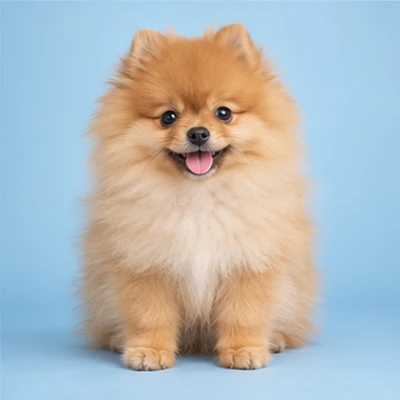 09
PLAY. LEARN. NAP. REPEAT.
PATIENCE. CONSISTENCY. CONNECTION.
Give the right attention and challenge—not constant excitement.
Balance age-appropriate play, sniffing, gentle exploration, short training, safe food puzzles, and plenty of sleep. Mental engagement matters as much as movement. Ask your vet about exercise suitable for your puppy’s age and physical development.
Reward calm behavior, help your puppy settle, and build independence in tiny steps. Overexcitement and overtiredness can look like “bad behavior.” Avoid forced exercise, excessive jumping, and overwhelming introductions.
Everyone in the home should use the same cues and expectations. Be patient with setbacks: successful puppy raising comes from many small, repeated lessons.
 10
WE’RE LEARNING TOGETHER!
TRAIN THE PUPPY. EDUCATE THE PARENTS.
The right trainer helps the whole household succeed.
Ask how the trainer teaches, adapts to a puppy’s age, manages fear or frustration, and involves dog parents. Look for clear explanations, humane methods, realistic goals, practical homework, and a willingness to work with your veterinarian when needed.
- Will you teach us timing, cues, boundaries, and daily routines?
- How do you approach housebreaking, chewing, biting, and alone-time?
- How will you keep exposure safe and positive?
- What will we practice between lessons, and how do we review progress?
Training is a partnership between TEU, the puppy, and the dog parents. Consistent practice at home is what turns lesson-time learning into everyday habits.
A STRONG START.
A BRIGHTER TOMORROW.
Private lessons built around your puppy, your household, and real life. We teach the puppy and educate the dog parents together.
- House-training routines, settling, and crate comfort
- Focus, name recognition, and useful foundation cues
- Puppy biting, chewing, and polite greetings
- Safe, positive exposure at your puppy’s pace
- Clear boundaries, timing, and practical homework for dog parents
Thinking about a puppy? Start the conversation before they arrive. Already have one? Let’s build the plan from where you are today.

LET’S START YOUR
JOURNEY TOGETHER.
Talk with Johnny about your new puppy’s growth, maturity, training, and the education that helps dog parents guide them every day.
Serving Long Island
HEALTH, GENETICS & TRAINING RESOURCES
Educational guidance supports your conversation with your veterinarian; individual health and feeding plans belong with your veterinary team.