


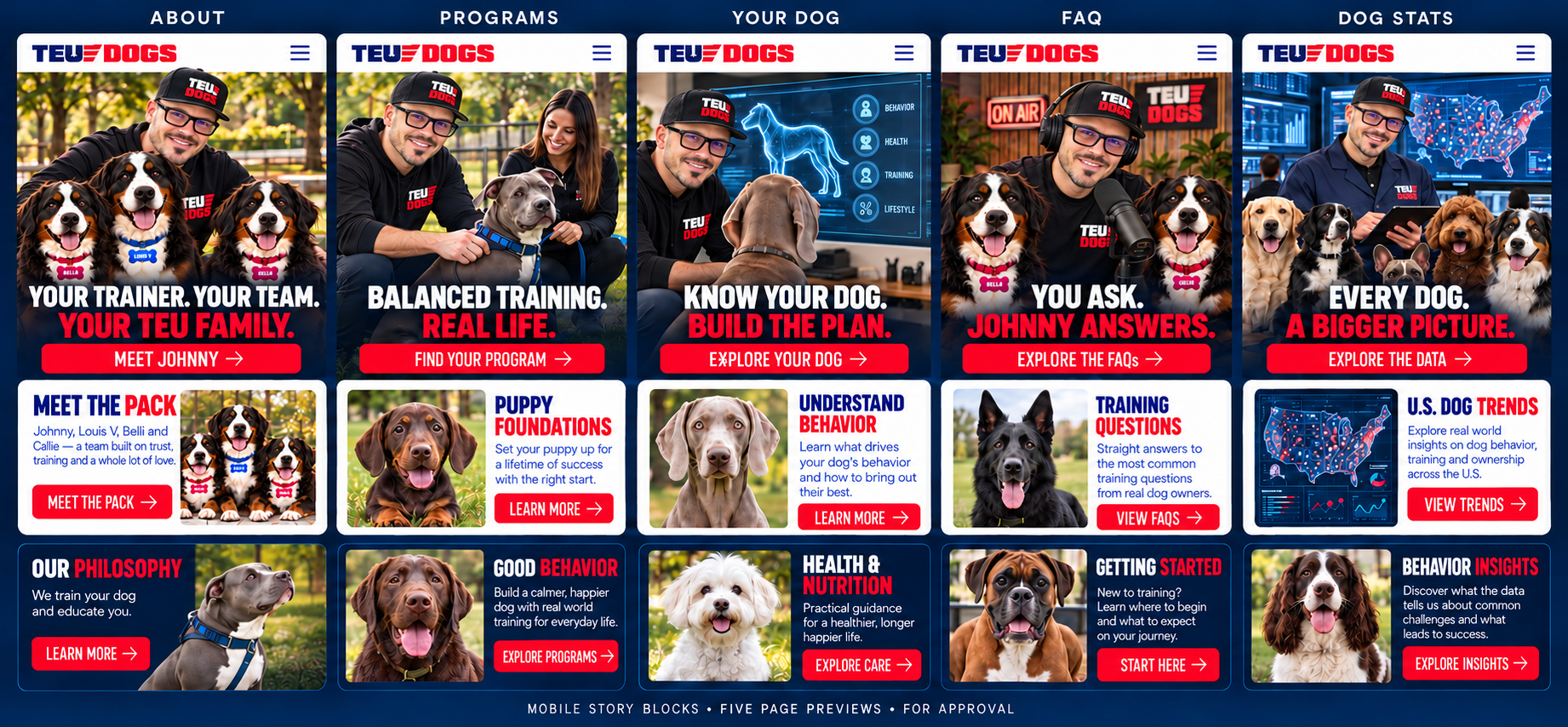
GOOD BEHAVIOR
Build a calmer, happier dog with real world training for everyday life.
EXPLORE PROGRAMS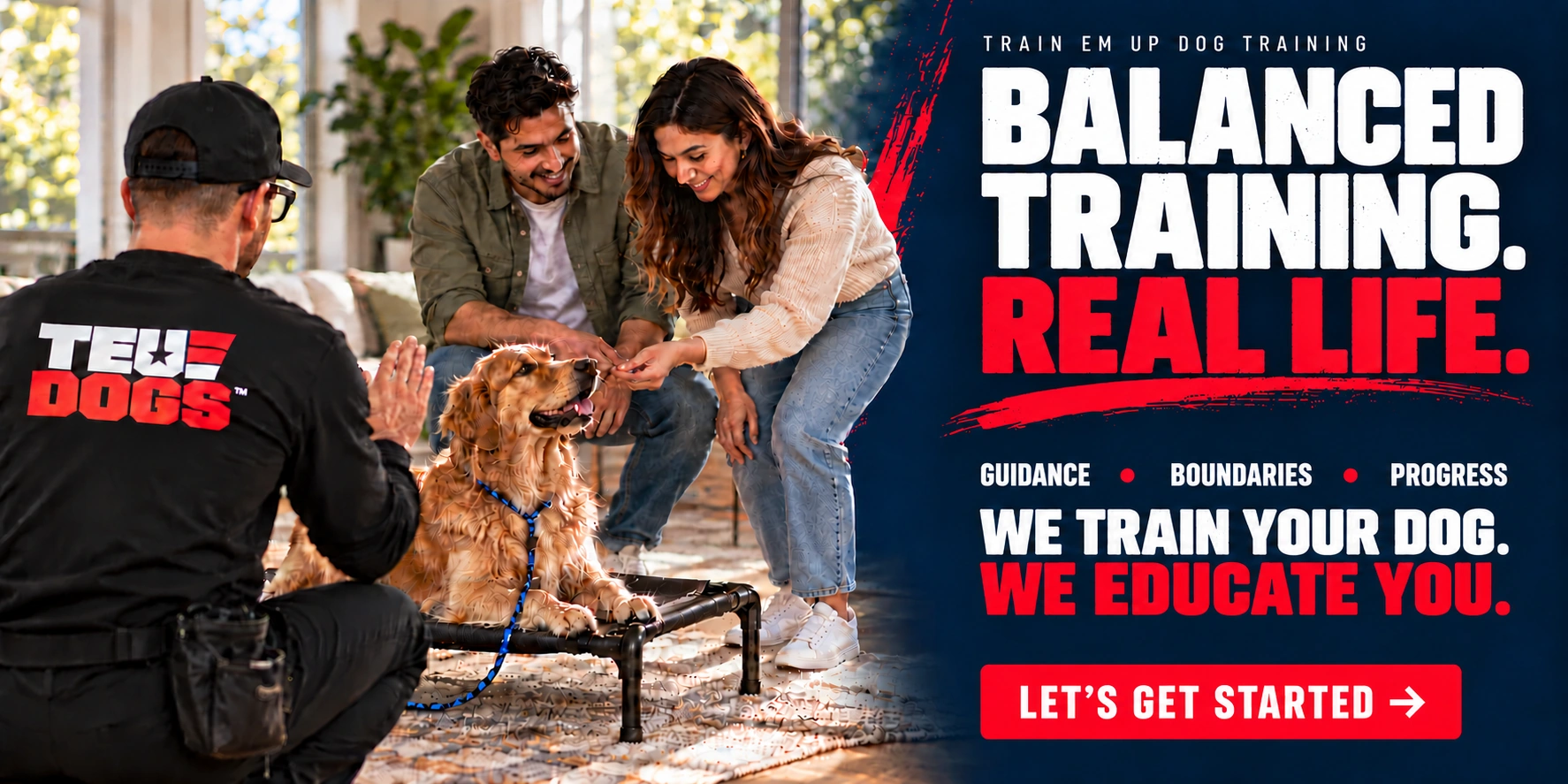
01OUR BALANCED
OUR BALANCED
TRAINING PHILOSOPHY
Different dogs. Different needs. One goal: a better relationship.
At Train Em Up Dog Training, we teach dog parents and their dogs together. Our balanced philosophy combines positive reinforcement, clear communication, structure, and appropriate corrections within an individual training plan.
We draw from multiple training methods, selecting what fits your dog’s age, temperament, motivation, emotional state, and your goals. Every dog needs understanding before expectations—and every dog parent needs the skills to carry training into daily life.
BUILD TRUSTTEACH CLEARLYSET BOUNDARIESSTAY CONSISTENT
Source: TEU Training Handbook [1]
02YOUR DOG. YOUR GOALS.
YOUR DOG. YOUR GOALS.
YOUR TRAINING PLAN.
One-on-one lessons tailored to your needs. Programs can overlap: the plan follows your dog, your household, and the skills you want to build.
NEW PUPPY TRAINING PRIVATE
$1,500 · 10 private sessions
A strong start. A brighter tomorrow.
Build daily routines, confidence, and a shared language from the beginning.
WHAT WE WORK ON
- House-training and settling
- Focus, name recognition, and basic cues
- Puppy biting, chewing, and greetings
- Positive exposure at your puppy’s pace
OBEDIENCE TRAINING PRIVATE
$1,500 · 10 private sessions
Useful skills for everyday life.
Teach your dog what you are asking, then help them succeed as distractions grow.
WHAT WE WORK ON
- Focus, sit, down, stay / wait
- Come, place, heel, and leave it
- Polite greetings and impulse control
- Clear cues and consistent follow-through
LEASH TRAINING
Customized within your training plan
Better connection. Calmer walks.
Work on engagement and walking skills along the routes you use every day.
WHAT WE WORK ON
- Loose-leash walking and handler focus
- Starting, stopping, and changing direction
- Manageable distances from distractions
- Practical homework for daily walks
BEHAVIOR MODIFICATION PRIVATE
$1,500 · 10 private sessions
Understand the pattern. Build a plan.
Look at triggers, routines, and the environment to address unwanted behavior thoughtfully.
WHAT WE WORK ON
- Barking, jumping, and overexcitement
- Reactivity and useful replacement behaviors
- Household management and boundaries
- Progress tracking and plan adjustments
IN-HOME TRAINING
Customized within your training plan
We work where life happens.
Private coaching in your own environment, with the people who share your dog’s everyday life.
WHAT WE WORK ON
- Door manners and visiting guests
- Place, settling, and household routines
- Family consistency and communication
- Skills practiced where they matter
REAL WORLD TRAINING PACKAGE
$1,950 · 5 × 3-hour private sessions
15 hours total with Head Trainer Johnny
Take learning beyond the living room.
Practice calm, useful skills around people, dogs, and everyday distractions.
WHAT WE WORK ON
- Focus and manners outside the home
- Calm behavior around people and dogs
- Customized outings to suitable stores, malls, cafés, restaurants, and home improvement stores, following venue rules and your dog’s readiness.
- Confidence, repetition, and follow-through
Source: TEU Training Handbook [1]
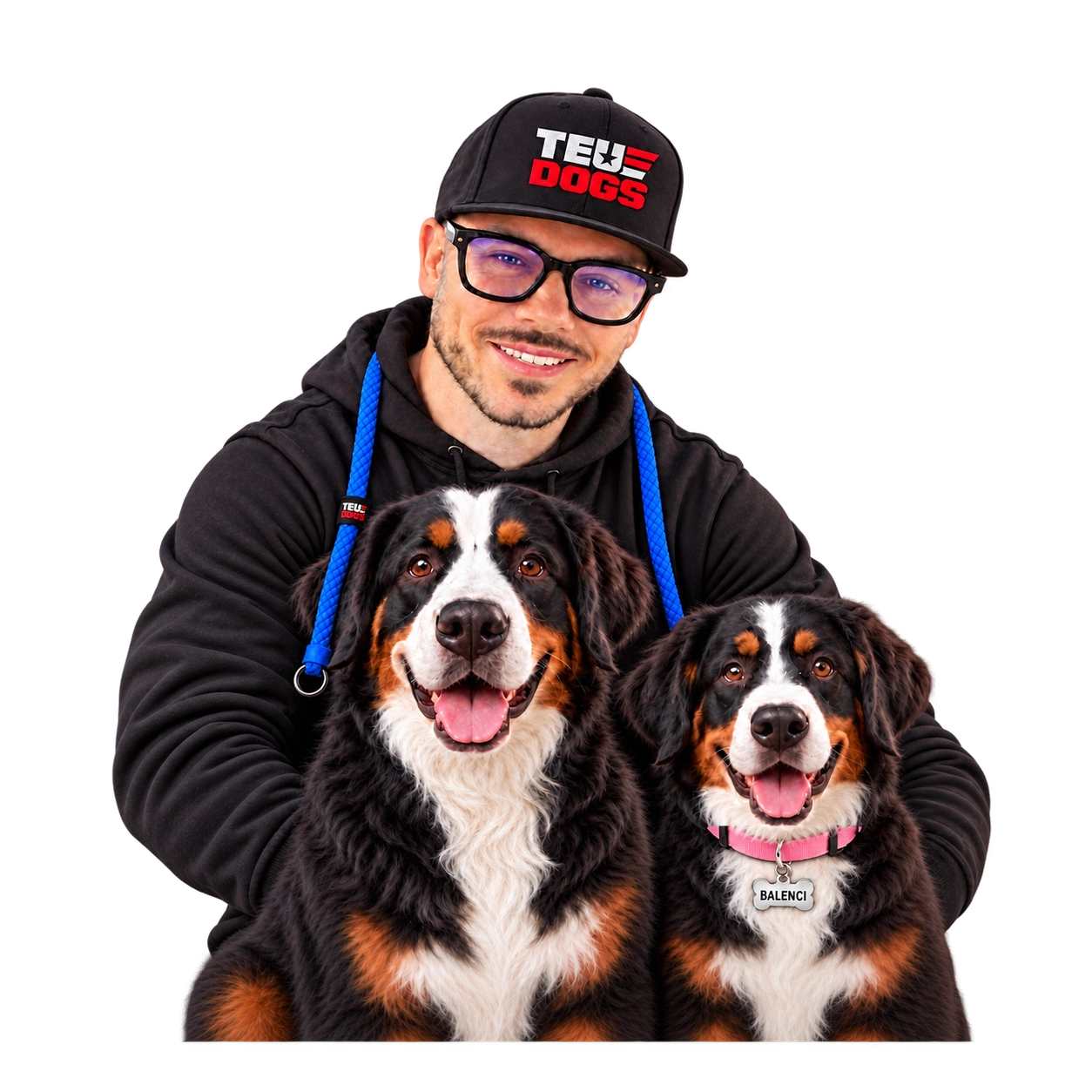

FULL DAY PRIVATE
WITH JOHNNY.
6 HOURS · ONE-ON-ONE TRAINING
A personal training day for you and your dog.
Normally $1,200$900SAVE $300
Prerequisite: enrollment and progression of at least 5 sessions in another TEU program.03DIFFERENT METHODS.
DIFFERENT METHODS.
THE SAME PURPOSE.
We teach the behavior first, reinforce success, and build consistency. No single method is automatically right for every dog or every situation.
POSITIVE REINFORCEMENT
Reward the behavior you want.
Food, praise, play, and other rewards help your dog understand which choices work. We learn what motivates your dog and reinforce progress.
MARKER TRAINING
Get the timing right.
A consistent word such as “yes” or a click marks the exact moment your dog gets it right. The marker is followed by a reward, creating clearer communication.
LURING & SHAPING
Teach in achievable steps.
Luring guides your dog into a new behavior with a reward. Shaping rewards small steps toward the finished skill. We gradually fade prompts as understanding grows.
STRUCTURE & CORRECTIONS
Keep expectations clear.
Predictable rules, management, and follow-through support learning. Where appropriate, TEU may include trainer-guided corrections after assessing the dog and teaching the behavior.
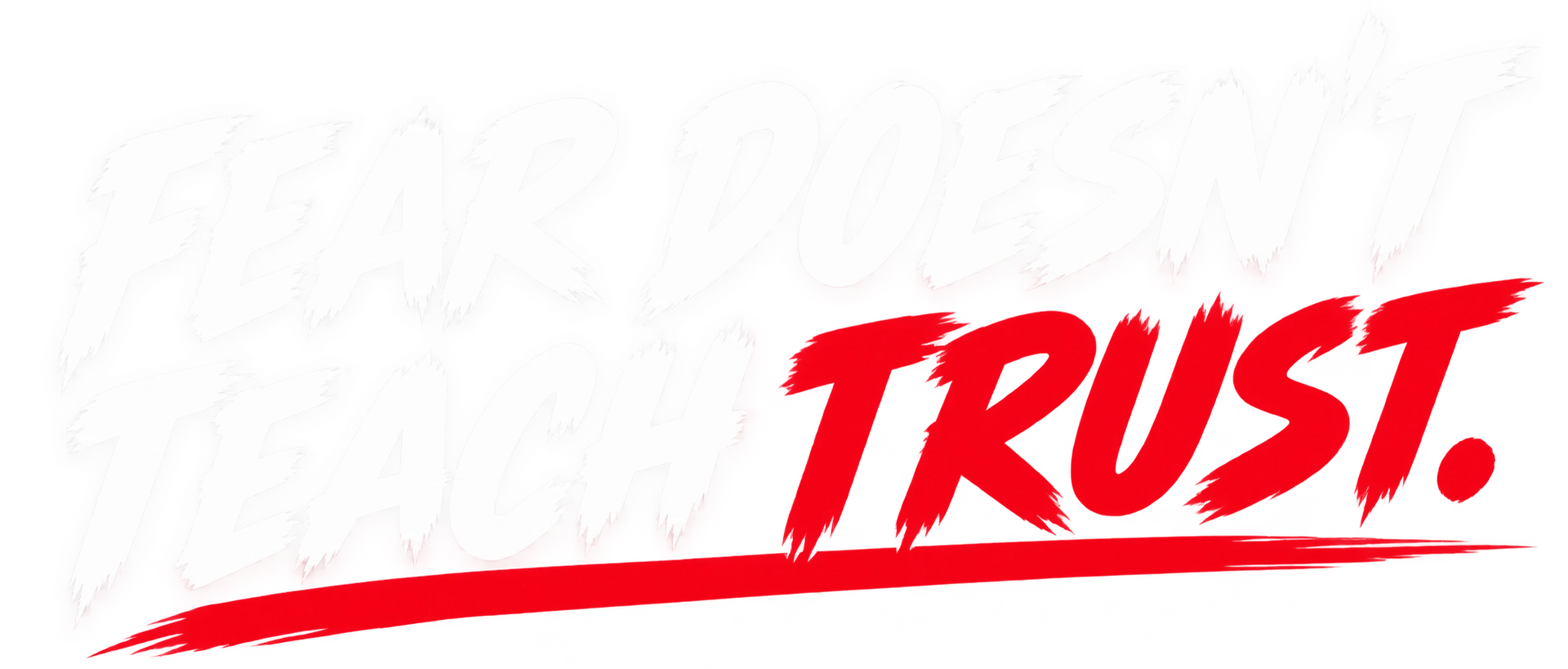
CLEAR GUIDANCE.
A RELATIONSHIP BUILT ON TRUST.
A RELATIONSHIP BUILT ON TRUST.
We reject intimidation, yelling, harsh punishment, and tools used out of frustration. We observe your dog’s response, adjust the plan, and keep communication clear.
Source: TEU Training Handbook [1]
04THE TOOL HAS
THE TOOL HAS
A PURPOSE.
The training plan comes first. Tools support communication; they do not replace education, practice, or a relationship.
We explain the options and discuss fit, technique, alternatives, and your dog’s response with you. Not every tool belongs in every dog’s plan.
TRAINING LEADSGuidance and safe practice.
Standard leads help with everyday handling and loose-leash skills. Long lines allow recall practice while maintaining a physical connection. Fit, handling, and the setting matter.
TREATS & REWARDSMotivation is individual.
Use rewards your dog values, including food, praise, toys, or appropriate access to an activity. Rewards support learning; their use changes as skills become established.
MARKERS / CLICKERSA clear signal, at the right moment.
A word or clicker identifies a successful behavior and is followed by a reward. The family uses the same marker and timing so the message stays consistent.
PRONG COLLARSIndividual assessment and professional guidance.
TEU may consider a prong collar as part of an individual plan. Fit, handling, and timing require instruction. It is not necessary for every dog and can cause pain or injury if misused.
E-COLLARSAn optional tool for an individual plan.
TEU may consider an e-collar for reinforcing already-taught skills, including distance work. It requires professional assessment, conditioning, and careful monitoring; it can cause distress or injury if misused.
Open each tool to learn its role. Tool selection and instruction are part of your individual training plan.
Source: TEU Training Handbook [2]
05FROM FIRST CONVERSATION
FROM FIRST CONVERSATION
TO EVERYDAY PRACTICE.
UNDERSTAND
Discuss your goals, your dog’s history, routines, and challenges. Identify what needs attention first.
BUILD A PLAN
Choose realistic priorities, suitable methods, and ways to manage the environment while your dog learns.
COACH TOGETHER
Johnny demonstrates, explains timing and handling, and coaches you as you practice with your dog.
PRACTICE & ADJUST
Use your homework, review progress, and add distractions gradually as skills become more dependable.
Source: TEU Training Handbook [3]
06TRAINING IS
TRAINING IS
A PARTNERSHIP.
Trainer. Dog parent. Dog. Everyone has a part in the progress.
WHAT TEU BRINGS
- A prepared trainer and a purposeful plan
- Clear explanations, demonstrations, and answers
- Guidance, feedback, and practical homework
- Progress reviews and adjustments to your dog’s needs
WHAT YOU BRING
- Be on time and ready to participate
- Ask questions and practice the techniques
- Keep household cues and boundaries consistent
- Do the homework and communicate changes
We commit our effort, time, resources, and know-how. Training takes practice and patience; no program promises a miracle fix or a guaranteed outcome.
WHEN DO WE INVOLVE YOUR VETERINARIAN?
Sudden behavior changes, pain, severe fear, or significant aggression may need veterinary assessment. Training and appropriate veterinary care can work together; we discuss referral when the dog’s needs call for it.
Source: TEU Training Handbook [3]
SERVING LONG ISLANDLET’S FIND YOUR
LET’S FIND YOUR
STARTING POINT.
Tell Johnny about your dog and what you want to work on.